Course Overview
This comprehensive tutorial will take you through the fundamentals of Human Resource Management. You'll learn how effective HR practices contribute to organizational success, employee satisfaction, and legal compliance.
- 10 Detailed Chapters covering all essential HRM functions
- Real-world examples and case studies
- Best practices and strategic approaches
- Final assessment for certification
Chapter 1: Introduction to Human Resource Management
What is HRM?
Human Resource Management (HRM) is the strategic approach to the effective management of people in an organization so that they help the business gain a competitive advantage. It is designed to maximize employee performance in service of an employer's strategic objectives.
Evolution of HRM
- Personnel Administration (1900s-1950s): Focused on basic employee record-keeping and welfare
- Personnel Management (1950s-1980s): Added functions like recruitment, training, and compensation
- Human Resource Management (1980s-Present): Strategic approach aligning human capital with organizational goals
- Strategic HRM (2000s-Present): HR as a strategic partner in organizational success
Key Objectives of HRM
- Attract and retain talented employees
- Develop necessary skills and competencies
- Create motivation through appropriate incentives
- Ensure legal compliance
- Align human capital with organizational strategy
Note: HRM has evolved from a primarily administrative function to a strategic one that contributes significantly to organizational success.
Chapter 2: Strategic Human Resource Management
Linking HR with Business Strategy
Strategic HRM involves aligning human resource policies and practices with the strategic objectives of the organization. This ensures that human capital contributes effectively to achieving organizational goals.
HR's Role as Strategic Partner
- Participating in strategic planning processes
- Translating business strategy into HR initiatives
- Developing HR strategies that support business goals
- Measuring HR's impact on organizational performance
Strategic HR Planning Process
Strategic HR Planning Model
- Analyze organizational objectives
- Inventory current human resources
- Forecast HR supply and demand
- Estimate HR gaps
- Formulate HR strategies
- Implement HR plans
- Monitor, evaluate, and adjust
Case Study: Google's People Operations
Google's People Operations team uses data-driven approaches to HR management. They've conducted extensive research on what makes effective managers and teams, applying these insights to improve people management practices throughout the organization.
Chapter 3: Job Analysis and Design
Understanding Job Analysis
Job analysis is the process of studying and collecting information about the responsibilities, duties, skills, outcomes, and work environment of a particular job.
Methods of Job Analysis
- Interviews: Talking with employees and supervisors
- Questionnaires: Structured instruments for job incumbents
- Observation: Watching employees perform job tasks
- Diaries/Logs: Employees recording their activities
Job Description vs. Job Specification
Job Description: A written statement of what the jobholder does, how it is done, and why it is done. It typically includes job title, duties, tasks, responsibilities, and reporting relationships.
Job Specification: States the minimum acceptable qualifications that a jobholder must possess to perform the job successfully. It includes education, experience, skills, knowledge, and abilities.
Tip: Regularly update job descriptions to reflect changing responsibilities and requirements, especially in rapidly evolving industries.
Chapter 4: Recruitment and Selection
Recruitment Process
Recruitment involves attracting a pool of qualified candidates for organizational positions. Effective recruitment strategies help organizations find the best talent.
Selection Techniques
- Application review: Screening resumes and applications
- Interviews: Structured, unstructured, behavioral, and situational
- Testing: Ability, aptitude, personality, and skills tests
- Assessment centers: Simulations and exercises
- Reference checks: Verifying candidate information
Effective Interviewing Strategies
Behavioral Interviewing: Based on the premise that past behavior is the best predictor of future performance. Ask candidates to describe how they handled specific situations.
Situational Interviewing: Present hypothetical situations and ask candidates how they would respond.
Structured Interviewing: Ask all candidates the same questions in the same order to ensure fairness and comparability.
Legal Consideration: Ensure all selection criteria are job-related and consistent with equal employment opportunity laws to avoid discrimination claims.
Chapter 5: Training and Development
Importance of Training
Training and development help employees acquire new skills, knowledge, and behaviors to enhance their performance and prepare for future roles.
Training Process
Systematic Training Model
- Needs assessment
- Setting training objectives
- Designing training program
- Implementing training
- Evaluating training effectiveness
Development Methods
- On-the-job training: Job rotation, coaching, mentoring
- Off-the-job training: Classroom instruction, simulations
- E-learning: Online courses, webinars, virtual classrooms
- Development programs: Leadership development, succession planning
Case Study: IBM's Continuous Learning Culture
IBM has created a "continuous learning" culture where employees are encouraged to spend at least 40 hours per year on professional development. The company uses AI to recommend personalized learning paths based on employees' roles, career aspirations, and skill gaps.
Chapter 6: Performance Management
Purpose of Performance Management
Performance management is an ongoing process of communication between a supervisor and an employee that occurs throughout the year, in support of accomplishing the strategic objectives of the organization.
Performance Appraisal Methods
- Graphic rating scales: Rate performance on specific criteria
- Behaviorally anchored rating scales (BARS): Combine elements of critical incidents and rating scales
- 360-degree feedback: Collect feedback from multiple sources
- Management by objectives (MBO): Evaluate against established objectives
Effective Feedback Techniques
SBI Model: Provide feedback by describing the Situation, the specific Behavior, and the Impact of that behavior.
Feedforward: Focus on future improvements rather than past mistakes.
Regular check-ins: Move from annual reviews to ongoing conversations.
Best Practice: Separate developmental conversations from compensation discussions to encourage open dialogue about performance improvement.
Chapter 7: Compensation and Benefits
Components of Compensation
Compensation includes both direct payments (wages, salaries, bonuses) and indirect payments (benefits) made to employees for their work.
Compensation Strategies
- Pay for performance: Linking compensation to individual or organizational performance
- Market pricing: Setting pay based on market rates for similar jobs
- Job evaluation: Determining relative worth of jobs within an organization
- Pay structures: Establishing pay ranges for job classifications
Types of Employee Benefits
Legally required: Social Security, workers' compensation, unemployment insurance
Voluntary: Health insurance, retirement plans, paid time off
Work-life balance: Flexible scheduling, telecommuting, wellness programs
Trend: Many organizations are moving toward total rewards approaches that consider both monetary and non-monetary aspects of compensation.
Chapter 8: Employee Relations and Engagement
Building Positive Employee Relations
Employee relations involves maintaining positive relationships between employers and employees, addressing workplace issues, and ensuring fair treatment.
Employee Engagement Strategies
- Clear communication of organizational goals and expectations
- Opportunities for professional growth and development
- Recognition and reward systems
- Work-life balance initiatives
- Employee involvement in decision-making
Managing Workplace Conflict
Conflict resolution approaches:
- Mediation: Neutral third party facilitates discussion
- Arbitration: Neutral third party makes binding decision
- Peer review: Panel of employees reviews complaints
- Open door policy: Employees can bring concerns to any manager
Case Study: Salesforce's Ohana Culture
Salesforce has built a strong culture of "Ohana" (Hawaiian for family) that emphasizes trust, growth, innovation, and equality. This approach has contributed to high employee satisfaction and low turnover rates.
Chapter 9: Legal Compliance in HRM
Key Employment Laws
HR professionals must ensure organizational compliance with numerous employment laws and regulations.
Major Legislation
- Title VII of Civil Rights Act: Prohibits employment discrimination
- Americans with Disabilities Act (ADA): Requires reasonable accommodations
- Family and Medical Leave Act (FMLA): Provides unpaid leave for family/medical reasons
- Fair Labor Standards Act (FLSA): Establishes minimum wage and overtime standards
- Occupational Safety and Health Act (OSHA): Ensures safe working conditions
Preventing Discrimination and Harassment
Essential compliance practices:
- Develop and communicate clear policies
- Provide regular training for employees and managers
- Establish effective complaint procedures
- Conduct prompt and thorough investigations
- Take appropriate corrective action
Important: Employment laws vary by jurisdiction. Always consult with legal experts to ensure compliance with local, state, and federal regulations.
Chapter 10: International HRM and Future Trends
Global HR Challenges
International HRM involves managing people in global organizations, addressing challenges related to different cultures, legal systems, and business practices.
Key Considerations
- Expatriate selection and management
- Cross-cultural training
- Compensation approaches for different countries
- Global talent management
- Compliance with international labor laws
Future Trends in HRM
Emerging trends:
- Increased use of AI and people analytics
- Focus on employee experience and well-being
- Remote and hybrid work models
- Skills-based hiring and development
- Greater emphasis on diversity, equity, and inclusion
Looking Ahead: The future of HR will require professionals to be more strategic, data-driven, and adaptable to changing workplace dynamics.
Certification & Assessment
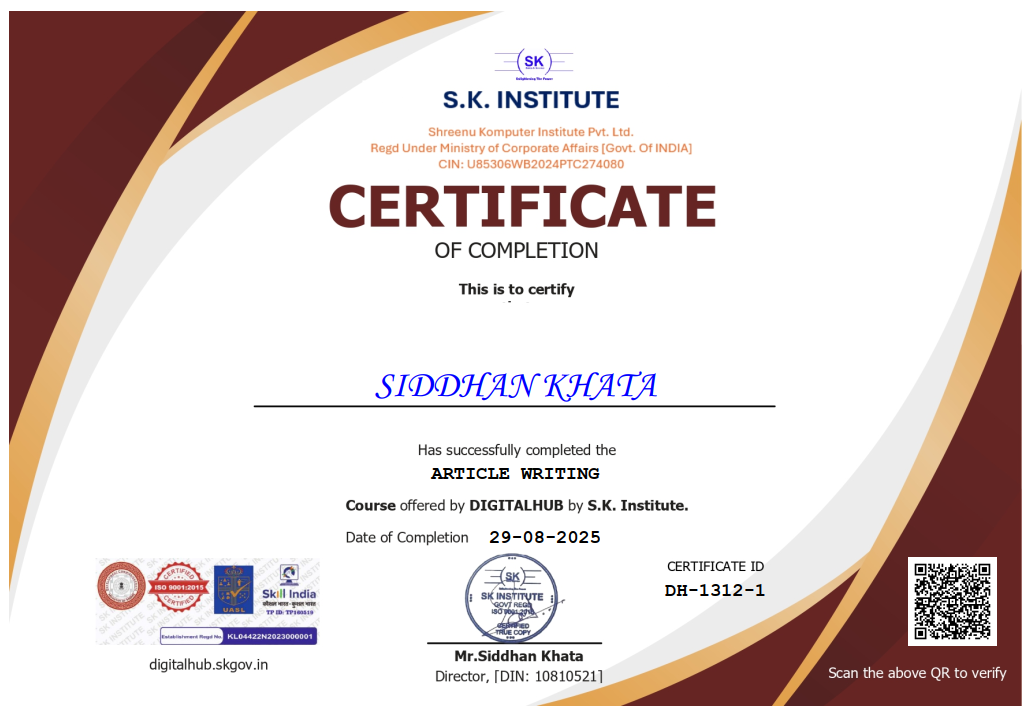
After completing all chapters, you need to pass the final assessment to receive a certificate of completion. Scoring 50% or higher ensures certification.
The assessment will test your understanding of HRM concepts, practices, legal considerations, and strategic applications.